
Choosing the right sober living home is an essential step in your journey to recovery. In Texas, there are many options available, but not all sober living homes provide the same level of support and structure. This guide will help you understand what to look for in a quality sober living home, identify potential red flags, and equip you with the right questions to ask during your search. With the right information, you can find a safe and supportive environment that fosters your recovery.
What Makes a Quality Sober Living Home?
A quality sober living home provides a stable and supportive environment for individuals in recovery. Here are a few key characteristics to look for:
- Structured Environment: A good sober living home has rules and guidelines that residents must follow, promoting responsibility and accountability.
- Supportive Community: Residents should feel a sense of camaraderie and support from housemates and staff, fostering a positive atmosphere.
- Access to Resources: Quality homes often provide access to counseling, support groups, and other recovery resources.
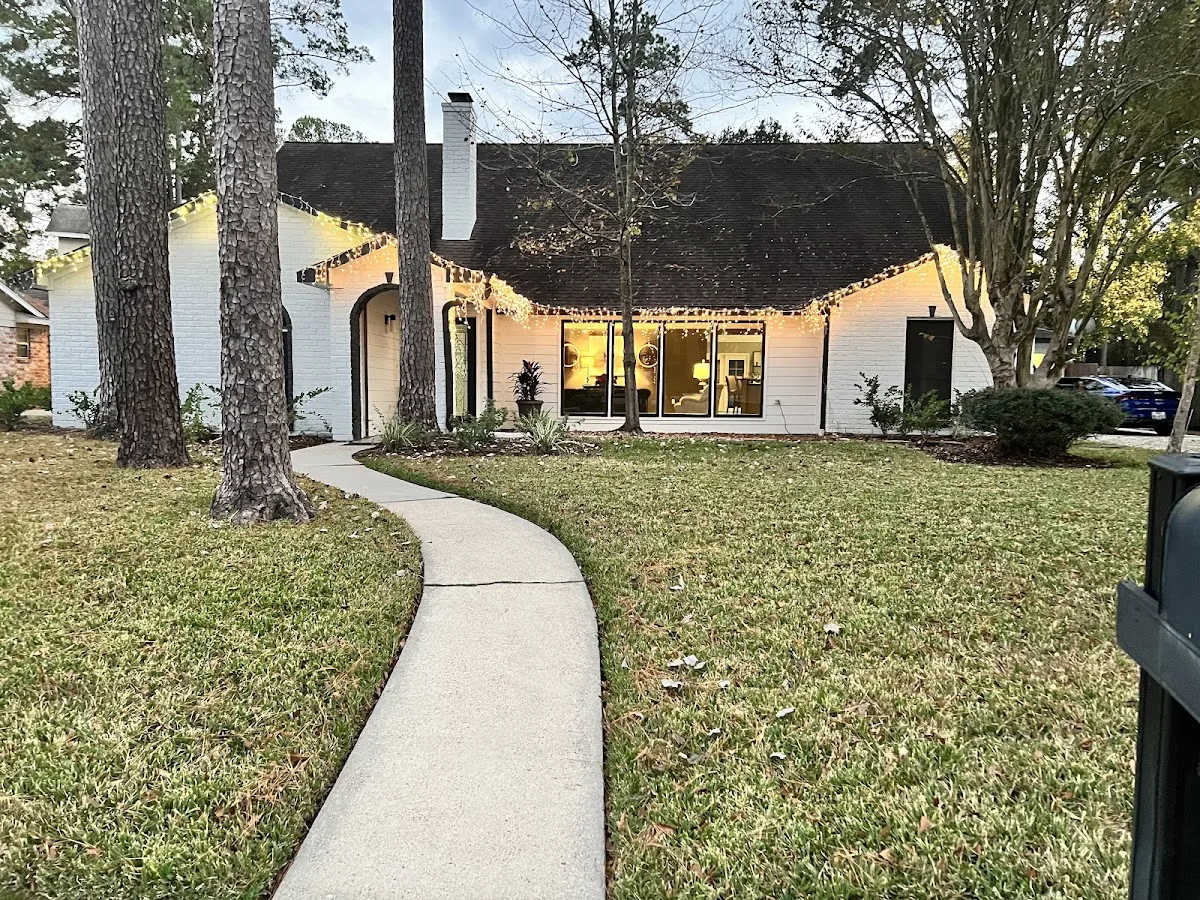
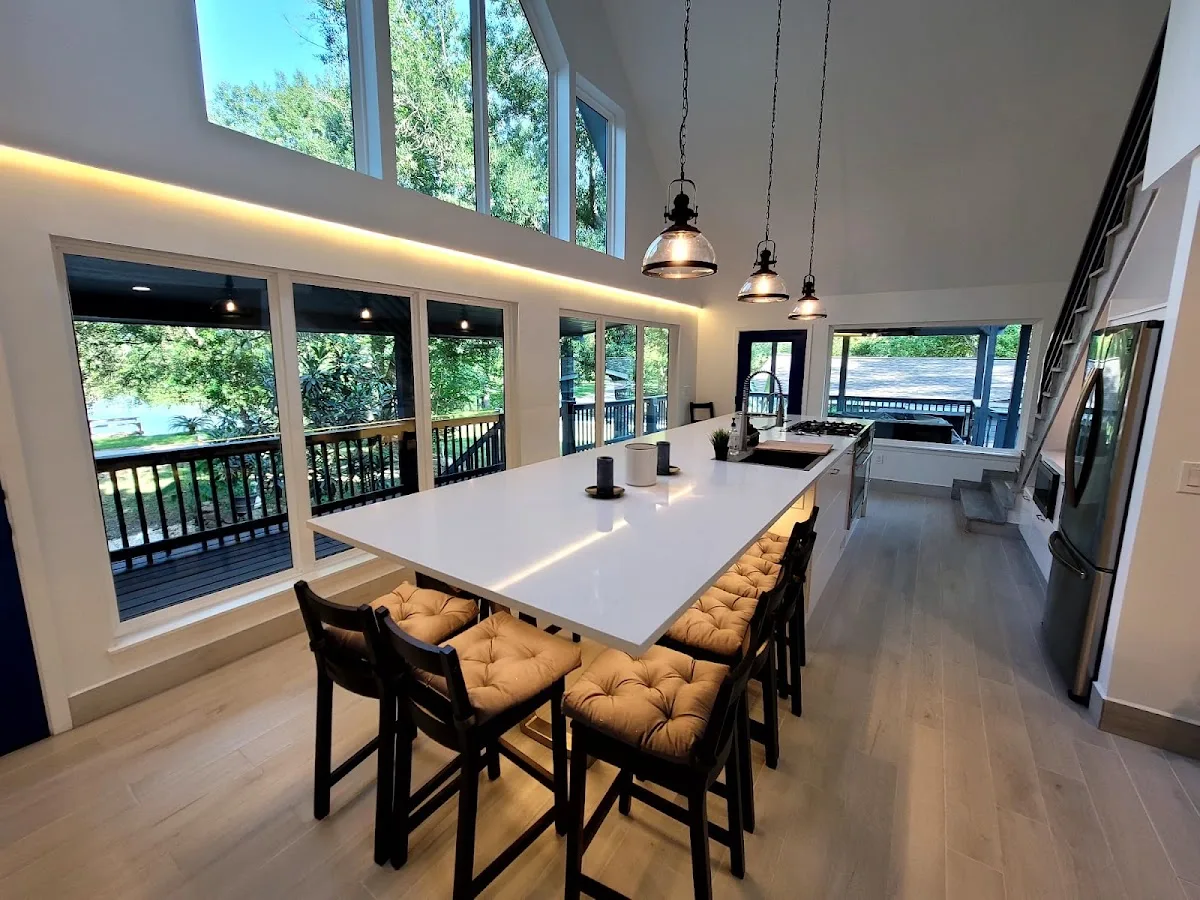
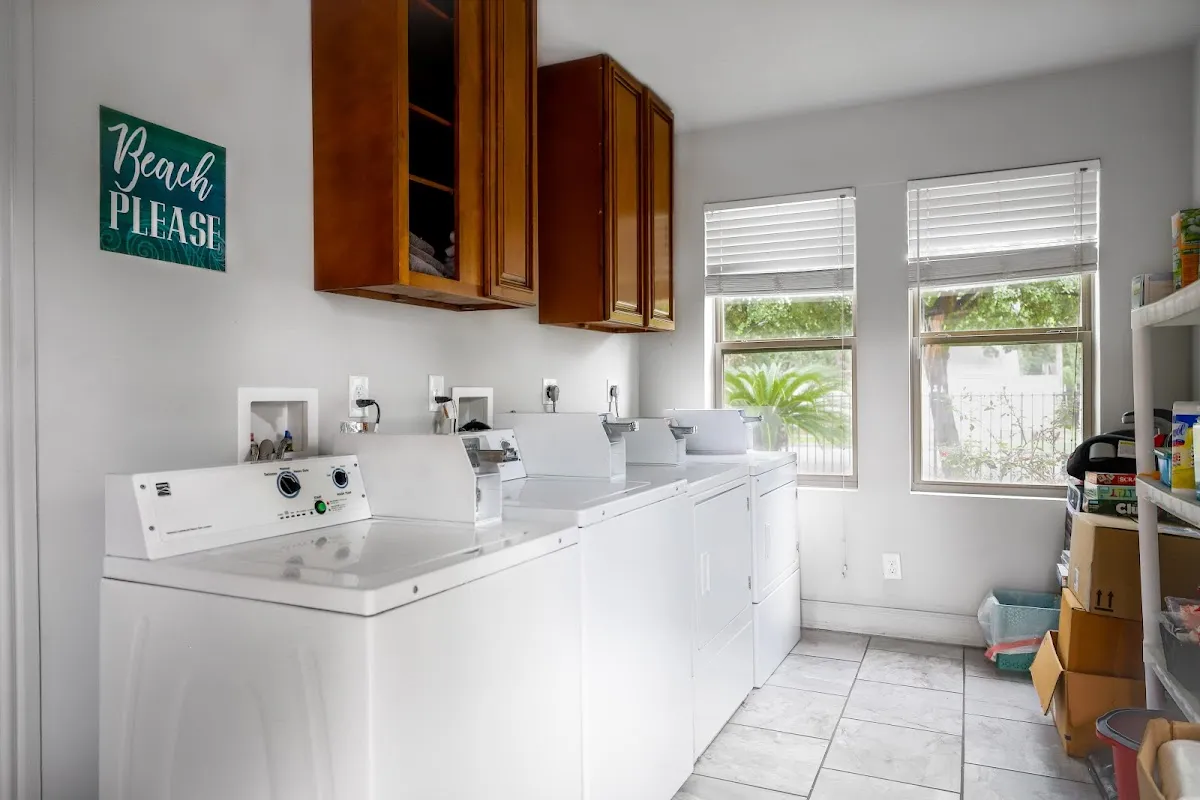
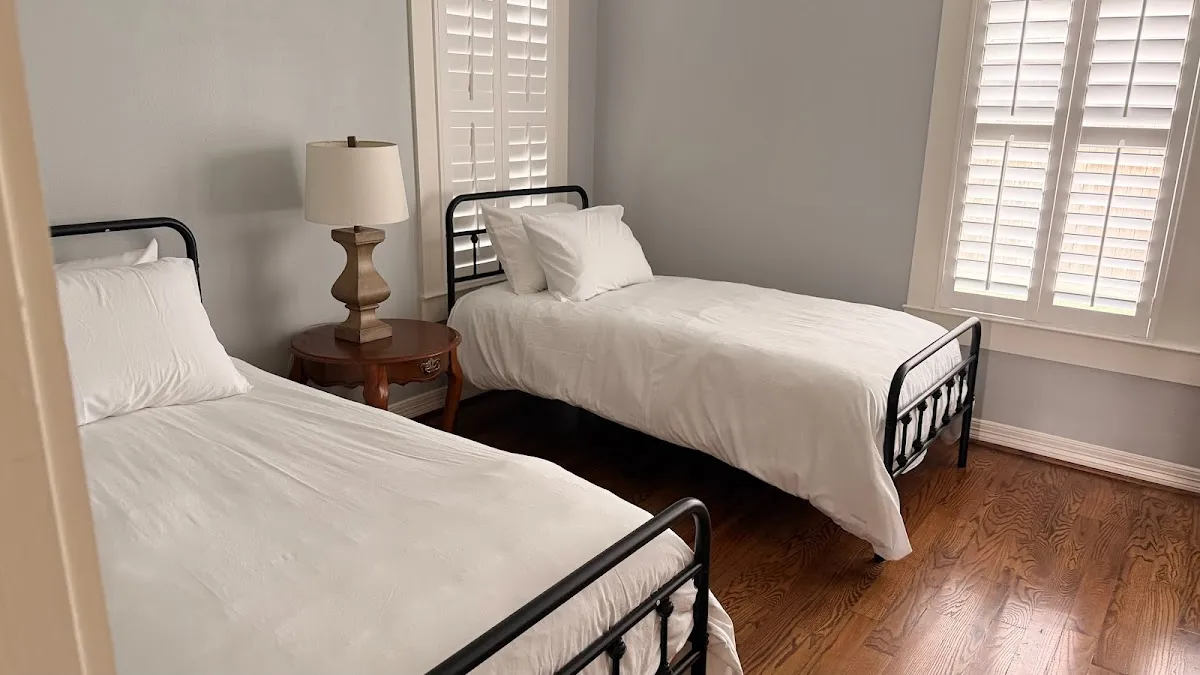
- Clean and Safe Living Conditions: The home should be well-maintained, clean, and situated in a safe neighborhood.
- Qualified Staff: Staff members should be trained in addiction recovery and able to provide guidance and support.
Red Flags to Avoid
While searching for a sober living home, it's important to be aware of potential red flags that may indicate a less-than-ideal environment. Watch out for:
- Lack of Structure: Homes that do not enforce rules or provide a daily schedule can lead to relapse.
- Neglect or Poor Maintenance: A dirty or poorly maintained home may reflect a lack of care or quality.
- Unqualified Staff: Be cautious of homes where staff do not have relevant experience or qualifications in addiction recovery.
- High Turnover Rate: Frequent changes in residents may indicate deeper issues within the home.
Questions to Ask During Tours
When touring sober living homes, asking the right questions can help you make an informed decision. Consider asking:
- What are the house rules? Understanding the expectations can help you gauge if the environment aligns with your recovery goals.
- What support services are available? Inquire about counseling, therapy, and group meetings offered at the home.
- What is the staff-to-resident ratio? A lower ratio often means more personalized attention and support.
- Are there any restrictions on visitors? Knowing the visitation policy can help you understand the home’s boundaries.
- How are conflicts handled? It's vital to know how the home manages disputes to ensure a safe environment.
House Rules and Expectations
Every sober living home has its own set of rules, which are crucial for maintaining a supportive environment. Common expectations may include:
- Regular attendance at house meetings or support groups.
- Maintaining sobriety and submitting to drug tests if required.
- Contributing to household chores and responsibilities.
- Respecting the privacy and boundaries of fellow residents.
- Adhering to curfews and visitation policies.
Cost and Financial Assistance
The cost of sober living homes in Texas can vary widely. Here are some considerations regarding expenses:
- Monthly Costs: Expect to pay anywhere from $500 to $2,000 per month, depending on the location and amenities.
- Insurance Coverage: Check with your health insurance provider to see if they cover sober living costs.
- Financial Assistance Programs: Some homes offer sliding scale fees or scholarships for those who qualify.
The Difference Between Level 1 and Level 2 Sober Homes
In Texas, sober living homes may be categorized as Level 1 or Level 2:
- Level 1 Homes: These typically offer a less structured environment and may not provide as much oversight. They are often more flexible but can be less effective for those needing more support.
- Level 2 Homes: These homes offer more structure, including strict rules, regular drug testing, and mandatory participation in recovery programs. They are usually better suited for individuals who require a higher level of accountability.
How to Find Certified Sober Homes in Texas
Finding certified sober living homes can be done through various resources:
- Visit the Texas Department of State Health Services website for a list of licensed facilities and resources.
- Consult local recovery organizations and support groups for recommendations.
- Utilize online directories that specialize in sober living homes, ensuring they list certified facilities.
Success Tips for Sober Living
Adapting to sober living can be challenging, but with the right mindset and practices, you can thrive:
- Stay Engaged: Actively participate in house meetings and support groups to foster connections.
- Build a Support Network: Surround yourself with positive influences and individuals who support your recovery.
- Set Personal Goals: Establish short and long-term goals to keep your focus on progress.
- Communicate Openly: Share your feelings and concerns with housemates and staff to build trust and understanding.
- Practice Self-Care: Prioritize your mental and physical health through exercise, healthy eating, and mindfulness.
Finding the right sober living home is a significant step in your recovery journey. By doing thorough research, asking the right questions, and being aware of what constitutes a supportive environment, you can create a foundation for lasting sobriety. Remember that recovery is a journey, and taking the time to find the right sober living home is an essential part of that process.
More Recovery Resources in Texas
Sober Network is a directory, not an intake form. Explore local facilities and contact providers directly.