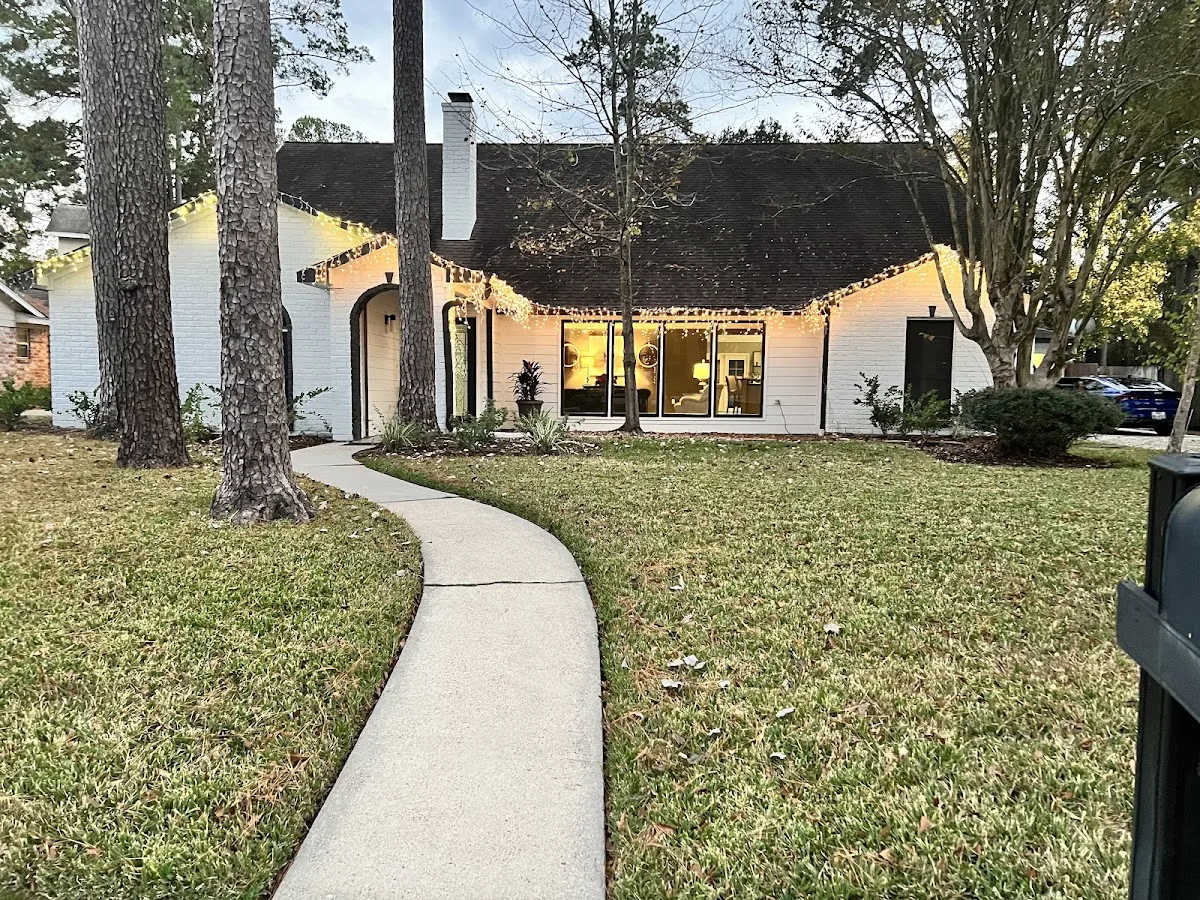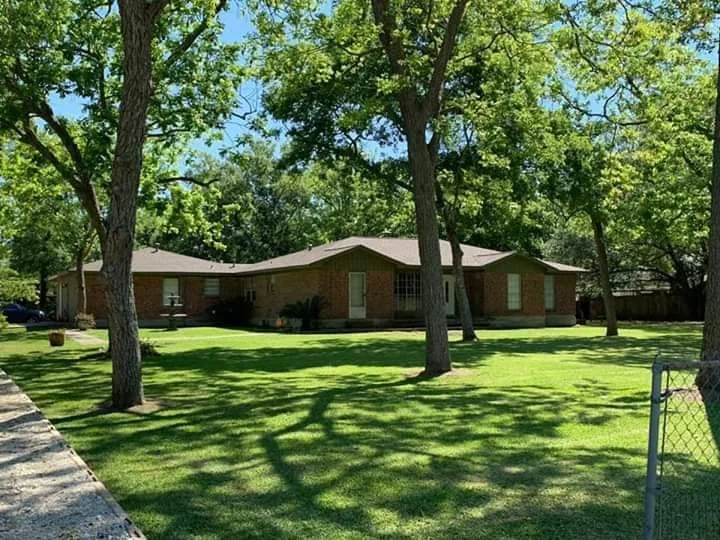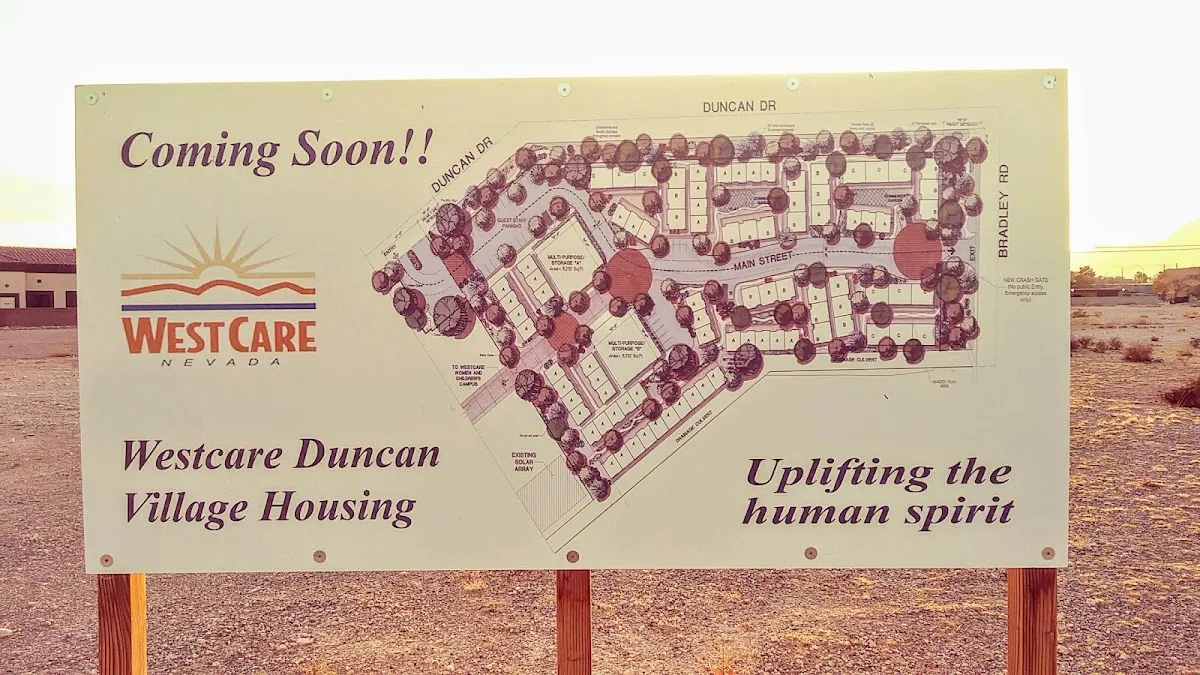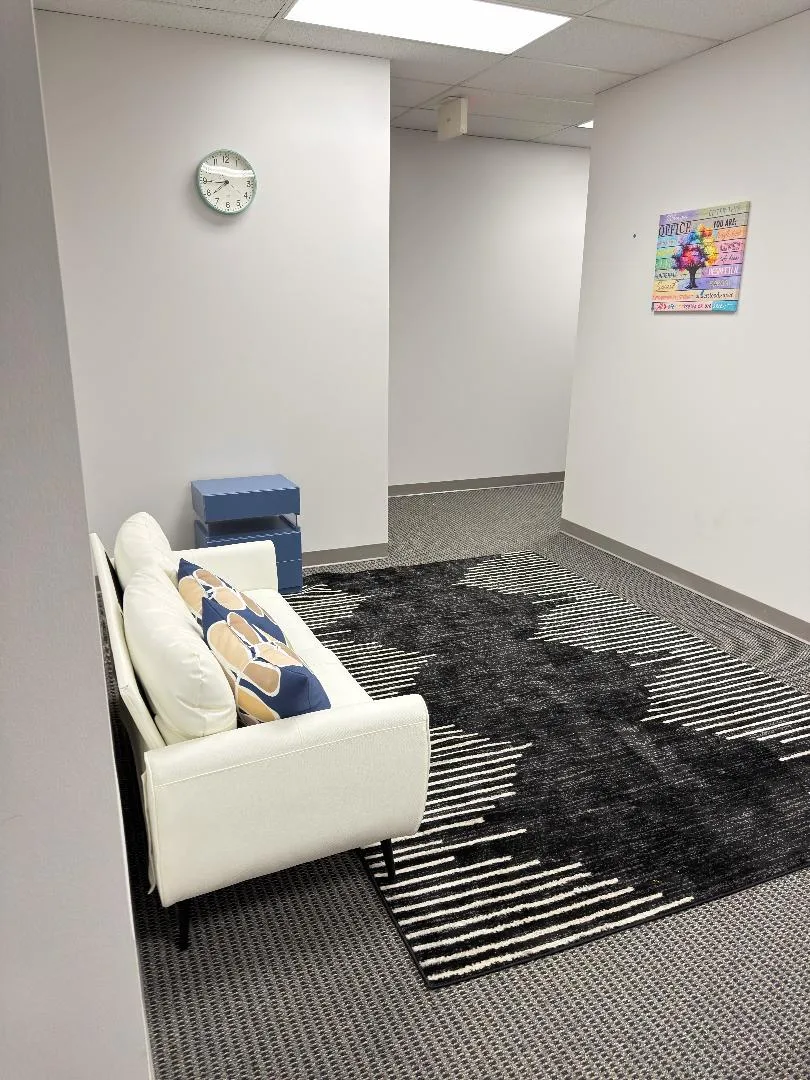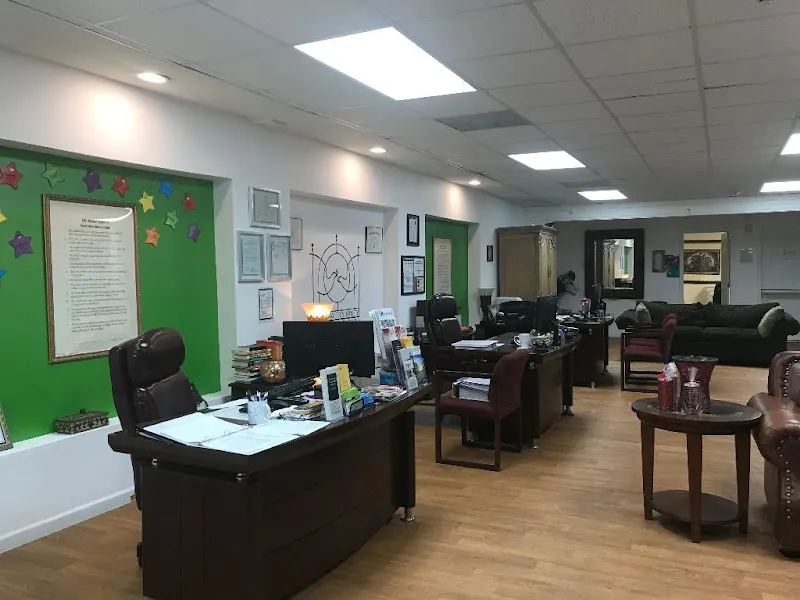

As you embark on the journey of recovery, understanding the landscape of addiction treatment centers in Texas can be pivotal in finding the right support for you or your loved one. This guide will walk you through the various types of treatment centers available, how to evaluate their quality of care, and what to expect during the admission process. With compassion and clarity, we aim to empower you with the knowledge needed to make informed decisions about addiction recovery in 2026.
Types of Treatment Centers
In Texas, you will find several types of addiction treatment centers, each offering unique approaches to recovery:
- Residential Treatment Centers: These are live-in facilities where individuals receive 24/7 care. They provide a structured environment that helps individuals focus solely on recovery without outside distractions.
- Partial Hospitalization Programs (PHP): PHPs offer a step-down level of care from residential treatment. Patients attend therapy sessions during the day but return home in the evenings, allowing for a gradual transition back to daily life.
- Intensive Outpatient Programs (IOP): IOPs allow individuals to receive treatment while maintaining some of their daily responsibilities. This program typically involves several hours of therapy sessions a week, providing flexibility while still offering substantial support.
Evaluating Quality of Care
When choosing a treatment center, it's essential to evaluate the quality of care they offer. Consider the following:
- Staff Credentials: Review the qualifications of the medical and therapeutic staff. Ensure they have experience in addiction treatment and appropriate certifications.
- Treatment Approaches: Look for centers that utilize evidence-based practices, such as Cognitive Behavioral Therapy (CBT) and Motivational Interviewing.
- Patient-to-Staff Ratio: A lower ratio often means more personalized attention and support for each patient.
Accreditation
Accreditation is a mark of quality that indicates a treatment center meets certain standards. In Texas, look for facilities accredited by:
- The Commission on Accreditation of Rehabilitation Facilities (CARF): CARF accreditation signifies that a facility meets rigorous standards for quality and effectiveness.
- The Joint Commission: This organization sets high performance standards and certifies treatment facilities that comply with them.
What to Expect During Admission
The admission process can vary from one center to another, but generally, you can expect the following steps:
- Assessment: A thorough assessment will be conducted to determine the severity of the addiction and the best course of treatment.
- Medical Evaluation: This may include physical exams and mental health evaluations to identify any co-occurring disorders.
- Personalized Treatment Plan: Based on the assessment results, a tailored plan will be developed to address specific needs.
Average Cost and Length of Stay
The cost of treatment can vary significantly depending on the type of facility and the level of care provided. Here’s a general overview:
- Residential Treatment: Costs can range from $10,000 to $30,000 for a 30-day stay.
- PHPs: These programs typically range from $5,000 to $15,000 for 30 days.
- IOPs: Expect costs to be approximately $3,000 to $10,000 for a 30-day program.
The length of stay can also vary. Residential programs typically last 30 days, while PHPs and IOPs may last from a few weeks to several months, depending on individual progress and needs.
Insurance-Accepted Facilities in Texas
Many treatment centers in Texas accept various insurance plans. Here are some steps to find facilities that accept your insurance:
- Contact Your Insurance Provider: Inquire about coverage details for addiction treatment.
- Ask Treatment Centers: When researching treatment centers, directly ask if they accept your insurance plan.
State-Funded Options
If you are facing financial challenges, Texas offers state-funded treatment options that can provide assistance. Check with the Texas Health and Human Services Commission for resources and local treatment centers that receive state funding.
Aftercare Planning
Transitioning out of treatment is a critical time in recovery. Aftercare planning may include:
- Support Groups: Participation in groups like Alcoholics Anonymous (AA) or Narcotics Anonymous (NA) can provide ongoing support.
- Continued Therapy: Regular therapy sessions can help maintain progress and address any challenges that arise.
- Relapse Prevention Strategies: Developing a plan for how to handle triggers and cravings is essential for long-term success.
How to Get Started
Taking the first step can be daunting, but you don’t have to do it alone. Here’s how to get started:
- Reach Out for Help: Contact a treatment center or a helpline to discuss options and get guidance.
- Gather Information: Research facilities, their treatment approaches, and their success rates.
- Trust Your Instincts: Choose a center that feels right and aligns with your needs and values.
Remember, recovery is a journey, and seeking help is a courageous first step. You are not alone, and support is available to guide you through this process.
More Recovery Resources in Texas
Sober Network is a directory, not an intake form. Explore local facilities and contact providers directly.